Key points
- Hotel marketing has one main job: more bookings that no portal takes a cut of.
- In Germany, 31.2 per cent of all hotel nights were recently booked through online portals, at 15 to 25 per cent commission per booking.
- Order matters: website and booking engine first, then Google, then photos, then returning guests, and social media and ads last.
- Since 2021, hotels in Germany may be cheaper on their own website than on Booking.com. Many do not use that.
- If you are full almost every night and can live with the portal share, you do not need an agency. You probably need higher rates.
1. What hotel marketing has to do
Marketing for a hotel answers one question: how do more guests reach you without someone else earning on every night? Reach, followers and brand awareness only count to the extent that they feed into that question.
The starting point is clear. According to the HOTREC distribution study, published by the German Hotel Association (IHA), 31.2 per cent of all hotel nights in Germany came through online booking portals. Each of those bookings costs 15 to 25 per cent in commission, depending on the contract.
A worked example:
- A property with 6,250 nights a year at the German average of 31.2 per cent has 1,950 portal nights.
- At 110 euros a night, that is 214,500 euros of revenue through portals.
- At 18 per cent commission, 38,610 euros of it goes to the portal every year.
- If one in five of those nights comes direct in future, that is 390 nights, 7,722 euros stay in the house.
One thing to keep in mind: portals are not the enemy. They bring guests you would never reach alone, especially from abroad and on a first visit. The goal is not zero per cent but a share you control yourself.
2. Step 1: Know who stays with you
A city hotel has business travellers during the week, couples at the weekend and families in summer. All three search differently, book with different lead times and respond to different pictures. Marketing that tries to reach all of them at once ends up reaching none.
The good news: the answers are already in your property management system. You do not need a persona workshop with a flip chart and a coffee break, just five reports:
- Where guests come from: city, region, country.
- Length of stay by weekday and season.
- Booking lead time: how many days before arrival do people book?
- Booking channel: direct, phone, portal, corporate client.
- Return rate: who has stayed before?
If you know your weekend guests come from within 150 kilometres and book three weeks ahead, you also know when and where your advertising has to run.
3. Step 2: Website and booking engine first
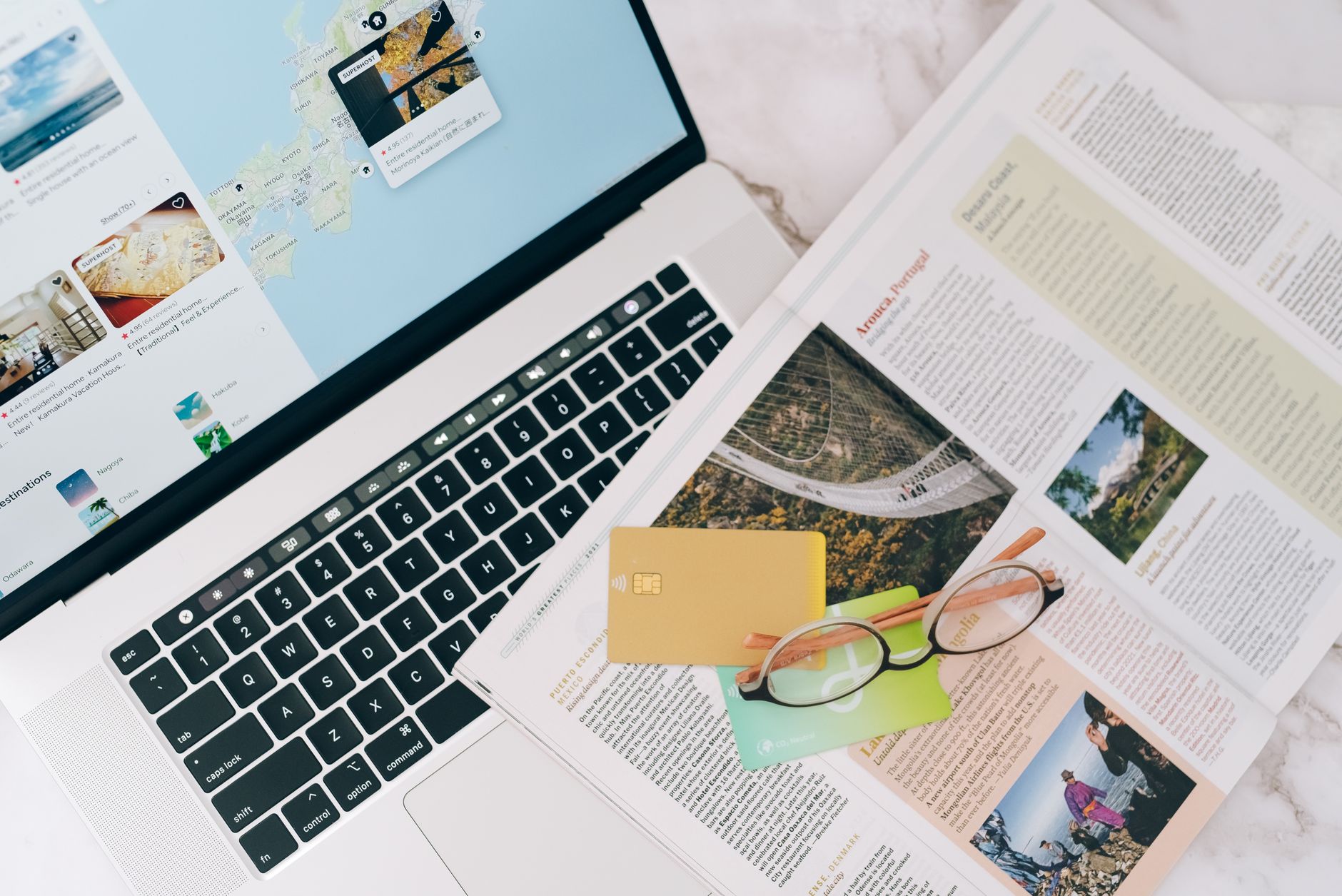
Every measure in this article ends on your website. If booking there is clumsy, you are paying for advertising that sends guests back to Booking.com to book there. That is the most expensive kind of marketing there is.
What the booking flow has to do:
- Availability and price in three taps at most, on a phone as well.
- The final price including all fees shows up straight away, not at the last step.
- No required fields that the booking does not actually need.
- A visible benefit for booking direct: best rate, breakfast included, late check-out or free parking.
On that last point: in May 2021 Germany’s Federal Court of Justice struck down Booking.com’s narrow best-price clauses. Hotels in Germany may therefore be cheaper on their own website than on the portal. A few euros’ difference is enough, as long as it is easy to see.
A simple test: once a month, book a room in your own hotel, on your phone, on a train with poor signal. Whatever annoys you will annoy your guests too. They just will not tell you. They will book somewhere else.
4. Step 3: Google profile and free booking links
Many guests do not look for their hotel on a portal but on Google or Google Maps. That is where your Google Business Profile appears, and it should be complete: the right category, every amenity, current photos, a reply to every review. The ground rules are the same as for restaurants, covered in detail in our piece on local SEO for hospitality.
The point most properties miss: since 2021 Google has shown free booking links alongside its paid hotel ads. Your own rate can appear right next to Booking.com and Expedia, with no cost per click. You need a Business Profile and rate data, which usually reaches Google through your booking engine or channel manager. Which providers can do this is listed in Google’s directory of connectivity partners.
For you that means one email to your software provider asking whether the connection is switched on. It costs nothing and takes five minutes.
5. Step 4: Photos that sell the property
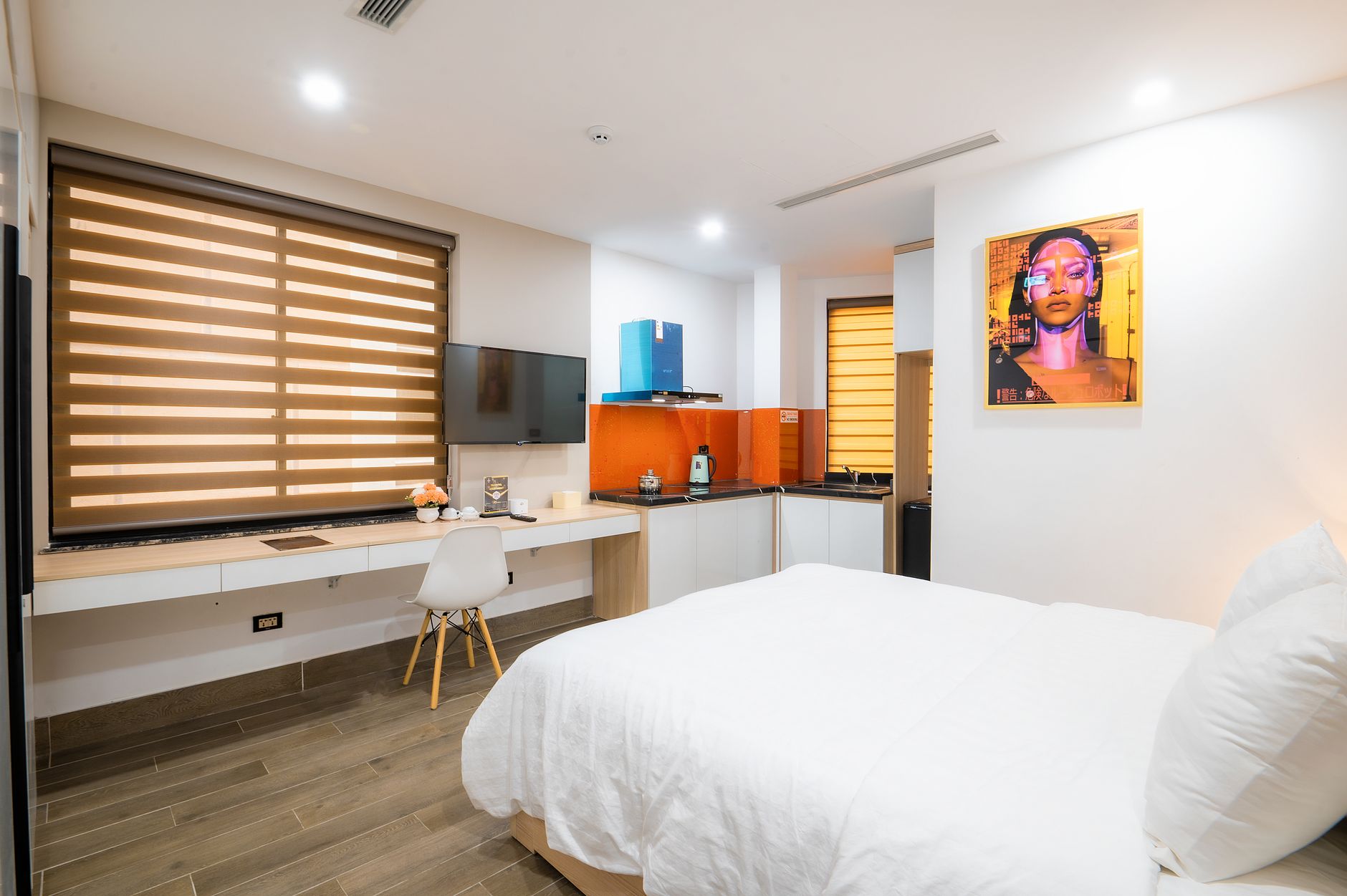
Guests cannot walk into a room before they book. All they see are photos. Whether they book with you or with the hotel next door is decided in the first few images on Google, on the portal and on your website.
An opinion with a number: if you pay 38,610 euros a year in commission, as in the example above, but have shown the same dark room photos for years, you are saving in the wrong place. A photo day costs between 600 and 1,500 euros. That is a fraction of what you pay in commission every year.
What belongs on the shot list:
- Every room category in daylight, with the bathroom and the view from the window.
- Breakfast and the restaurant, because that is where guests see what it feels like to stay with you.
- The exterior by day and in the evening, so people recognise the building when they arrive.
- Lobby, spa, meeting rooms, team and surroundings.
A 14-millimetre wide angle makes a room look bigger than it is. The disappointment at check-in then ends up in the review. What matters when photographing food and breakfast is covered in our piece on food photographers.
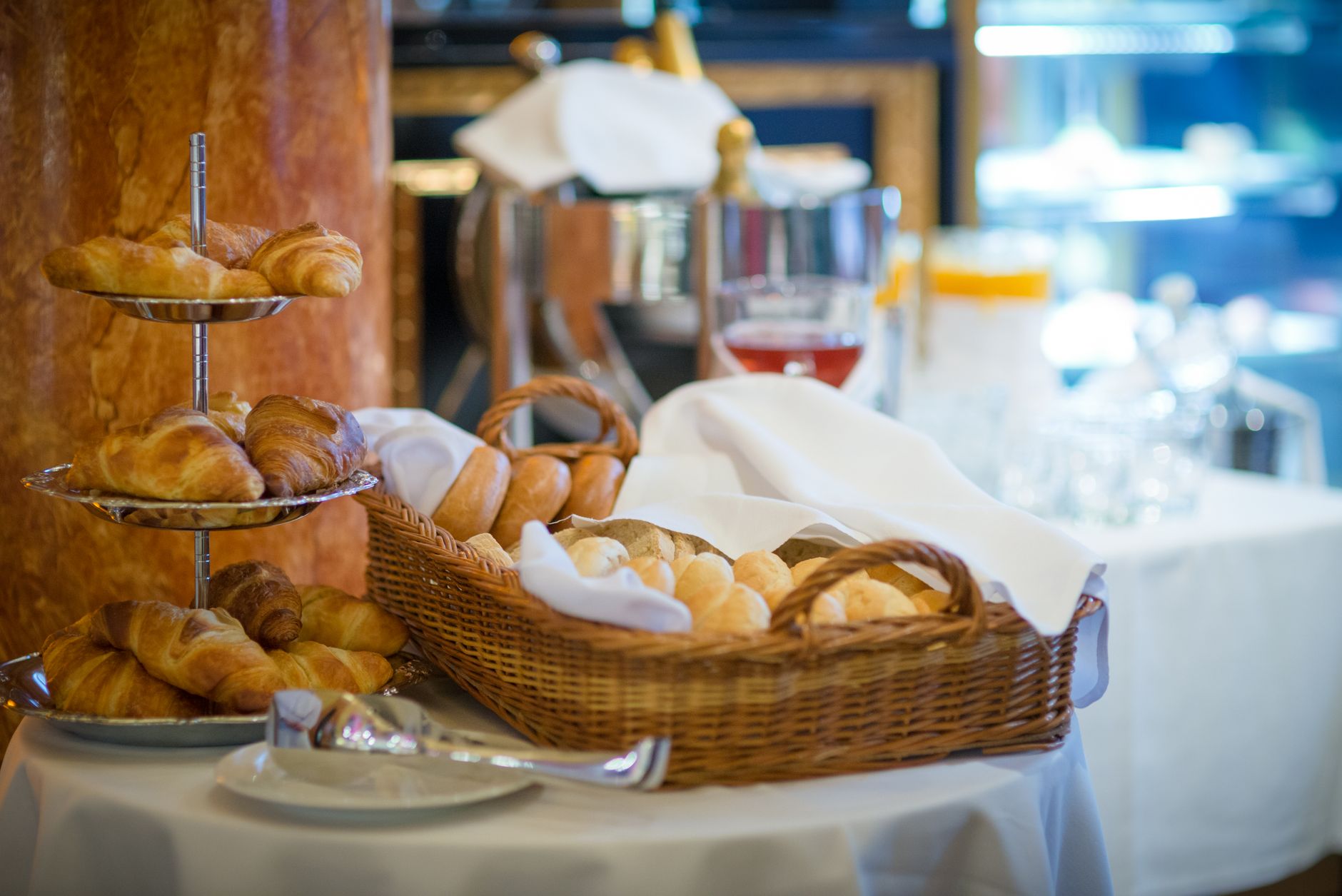
6. Step 5: Returning guests before new ones
A guest who came through a portal once does not have to come through the portal the second time. They are now in your system. Most properties do nothing with that contact.
Every guest who books direct on their next visit instead of through the portal saves 39.60 euros on two nights at 110 euros and 18 per cent commission. Across a hundred guests a year that is 3,960 euros, without spending a cent on advertising.
How it works:
- Ask for email consent at check-in, politely and with a reason. No consent, no marketing email: the GDPR requires it.
- After departure, a short thank-you with a request for a review.
- Two to four emails a year, each with a reason: the season, an event in town, a direct-booking benefit.
- Look after corporate clients with their own rate and a named contact.
If your hotel has a restaurant, the same applies to local guests. Where to start on the quiet evenings is covered in our piece on increasing restaurant revenue.
7. Step 6: Instagram, Facebook and ads
Social media only comes now because it builds on everything before it. Instagram for hotels is a shop window, not a booking channel. It is where guests decide which property to look at more closely. They then book on the website or on the portal, whichever is easier.
- Instagram: short videos of the room, the morning view, breakfast and the surroundings. Add the team, because people follow people, not pillows.
- Facebook for hotels: events, celebrations, conferences and guests from the region. The audience is older and books direct more often.
- Paid hotel advertising, meaning Google hotel ads, metasearch and social ads, only once the website books reliably.
For ads there is one simple rule: a direct booking won through advertising must cost less than the commission you would otherwise pay. At 110 euros a night and 18 per cent, that is 19.80 euros a night. If the ad costs more, the portal is the cheaper marketing.
If you would rather hand over photos, Instagram and Google, our hotel marketing agency page explains how we do it for hotels.
8. When you do not need hotel marketing
Three situations where your money is better spent elsewhere:
- You are full almost every night and can live with the portal share. Then you do not have a marketing problem. You have a pricing problem, namely rates that are too low.
- Your reviews keep complaining about the same things: noise, cleanliness, breakfast. More guests will simply read more of those reviews. Fix the hotel first, then advertise it.
- Your website has no booking engine. Then the first budget belongs exactly there, not with an agency.
We say the same in the first call. An honest no is better than a project that does nothing for you.
9. Frequently asked questions
What does marketing for a hotel include?
Everything that gets guests to book with you, ideally directly: your own website with a booking engine, the Google Business Profile, good photos, emails to past guests, social media and paid ads. In exactly that order, because each stage builds on the one before.
How does a hotel get more direct bookings?
With a booking flow that works in three taps on a phone and a clear benefit for booking direct. Add Google’s free booking links and emails to guests who have stayed before. Only after that does paid advertising pay off.
How much commission do hotels pay booking portals?
Depending on the portal, the contract and any visibility programme, usually between 15 and 25 per cent per booking. At 110 euros a night and 18 per cent, that is 19.80 euros going to the portal every night.
Can my hotel be cheaper on its own website than on Booking.com?
Yes. In May 2021 Germany’s Federal Court of Justice ruled that Booking.com’s so-called narrow best-price clauses were unlawful. Hotels in Germany may therefore offer a better rate on their own website. Many still do not.
Is Instagram worth it for hotels?
Yes, if you treat it as a shop window rather than a booking channel. Instagram is where guests decide which property to look at more closely. The booking happens afterwards, on the website or the portal. If all you post is stock photos, you can skip it.
How much should a hotel budget for marketing?
Work backwards from the commission. Every measure may cost less per direct booking won than you would otherwise pay the portal. In the worked example in this article, 7,722 euros a year are available if one in five portal bookings comes direct instead.