
Key takeaways
- Hospitality advertising works locally or not at all. Reach beyond your own district is burnt budget in most cases.
- The first three levers (Google Business, your own photos, organic Instagram) deliver 70 to 80 per cent of the effect. Leave the rest until those three are in place.
- Restaurants, cafés, bars, taverns and pubs need different priorities. One template for all of them is the most common mistake.
- 2 to 6 per cent of revenue is the industry norm. For a mid-sized venue turning over 500,000 euros a year, that is 800 to 2,500 euros a month.
- Keeping regulars is three to five times cheaper than winning new guests. Most venues still spend almost everything on acquisition.
1. What hospitality advertising has to achieve in 2026
The honest answer first. Advertising for hospitality can do one thing: bring more people from the immediate area to your bar or table, on more occasions, more often. It does not turn a mediocre venue into a good one, a grumpy service into a friendly one, or an interchangeable menu into an interesting one. Advertising amplifies what is already there. For better and for worse.
Over the past few years we have worked with landlords whose most frequent sentence is: “We do a lot, but nothing seems to work.” Look twice and it is almost always the same picture. Flyers go out, posts go up, ads run, but nobody can say where the last twenty guests came from. Until that question is answered, all advertising is a gamble.
Anyone who can name three numbers for their venue by the end of this article, guests per week, average spend and share of returning guests, has gained more in half an hour than in a year of unmeasured activity. There is more on the arithmetic behind it in the article on restaurant marketing.
2. The 10 levers, ranked by return per euro
A strong opinion with a clear ranking. It is aggregated from around a hundred consulting cases and holds for most hospitality businesses in German towns and cities. In exceptional cases (premium venues, hotel restaurants, very niche concepts) positions shift up or down by one or two. The order is by effect per euro invested, not by effort.
Maintaining Google Business
Cost: Time, 0 euros
Three results in the local pack decide most first visits. Whoever is there gets found. Whoever is not is invisible.
Your own photo and video material
Cost: 600 to 1,500 euros per session
Supplies twelve months of material for Google Business, your website, social media and your menu. Per image, remarkably cheap.
Instagram with real material
Cost: Time, 0 to 250 euros per month
Three good posts a week beat seven mediocre ones. Canva templates are invisible. TikTok only if the team enjoys making videos.
Review management
Cost: Time, 0 euros
Ask for reviews actively and reply to every one. A calm reply to a one-star convinces onlookers more than ten unanswered five-stars.
Newsletter and WhatsApp Business
Cost: 0 to 30 euros per month
An existing guest costs five to seven times less to reach than a new one. Retention beats acquisition in almost every month.
Seasonal promotions with a system
Cost: Materials and time
Valentine's Day, Mother's Day, asparagus season, a themed evening. Three to five occasions a year, done consistently, with two to four weeks of lead time.
The counter and the menu as advertising space
Cost: 50 to 300 euros for the menu and a board
The menu is the last piece of advertising guests see before they order. Three small changes lift the average spend by 8 to 15 per cent.
Geo-targeted ads on Meta and Google
Cost: From 80 euros per month
A radius of one to two kilometres, a clear offer, good images. Without those three conditions the budget is burnt.
Local partnerships
Cost: Usually nothing
The hairdresser, the health food shop, the bookshop, the co-working space. Swap vouchers both ways. Particularly effective for lunch, breakfast and after-work.
Print, merchandise and the local press
Cost: 80 to 600 euros per campaign
Only worth it with a clear occasion. An editorial story in the local paper keeps working through Google for years. Printed beer mats, glasses or napkins are cheap reminder advertising, provided the logo is right.
The most common mistake is starting this list at number 8. Geo-targeted ads only work once number 2 (good images) is done. Go into ads without numbers 1 and 2 and you are buying clicks on a badly lit counter. That is expensive and it looks like nothing.
3. What suits which type of venue
The ranking above holds in general. The priorities shift with the concept, though. Here are the five most common types with a short note on where the lever bites hardest.
Restaurant
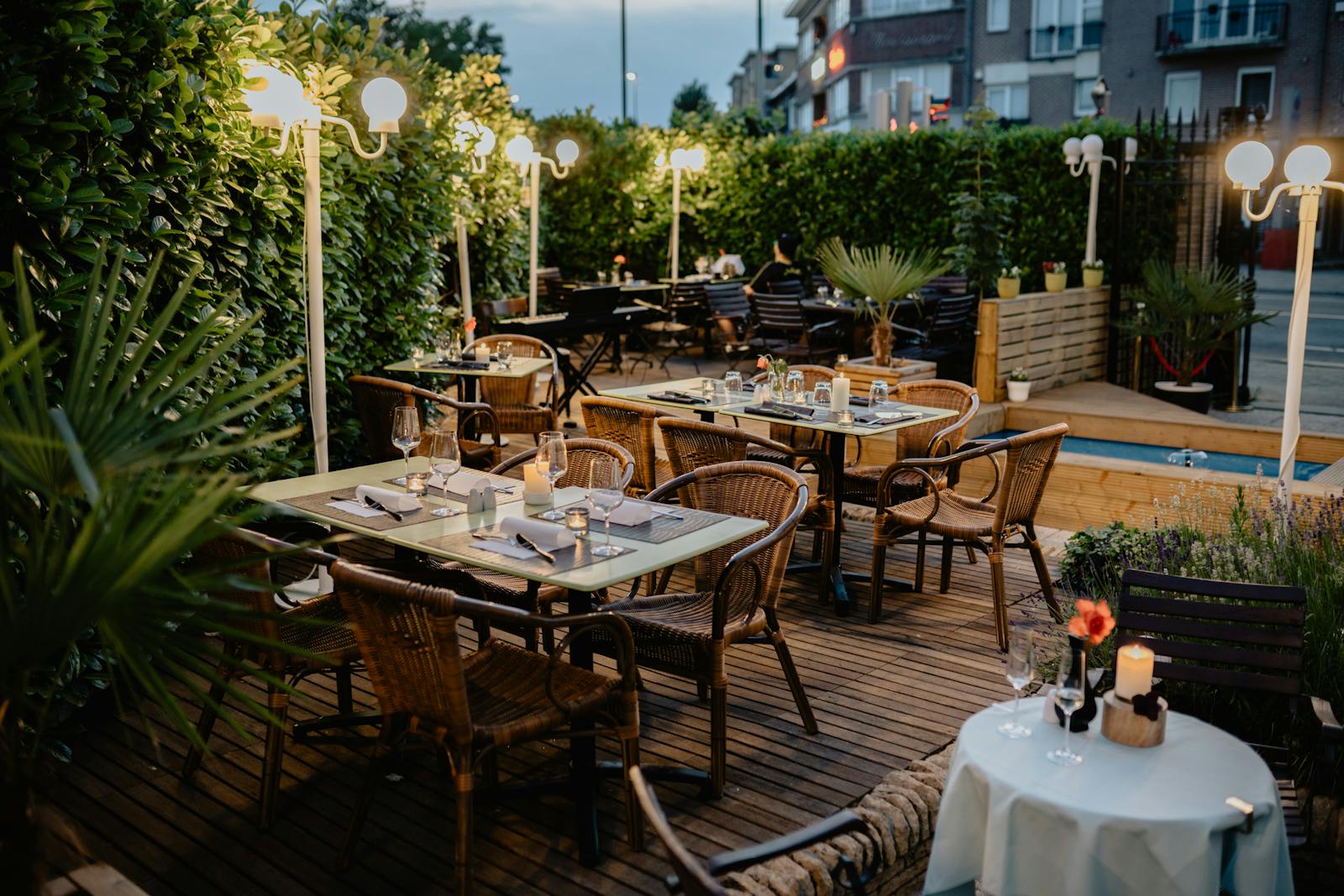
Restaurant advertising lives on bookings. Focus on Google Business, reservation platforms (OpenTable, Quandoo, TheFork) and review management. Instagram as your calling card, Reels and Stories for peak times and specials. Print for openings, seasonal menu changes or clear occasions like asparagus or game weeks.
Café
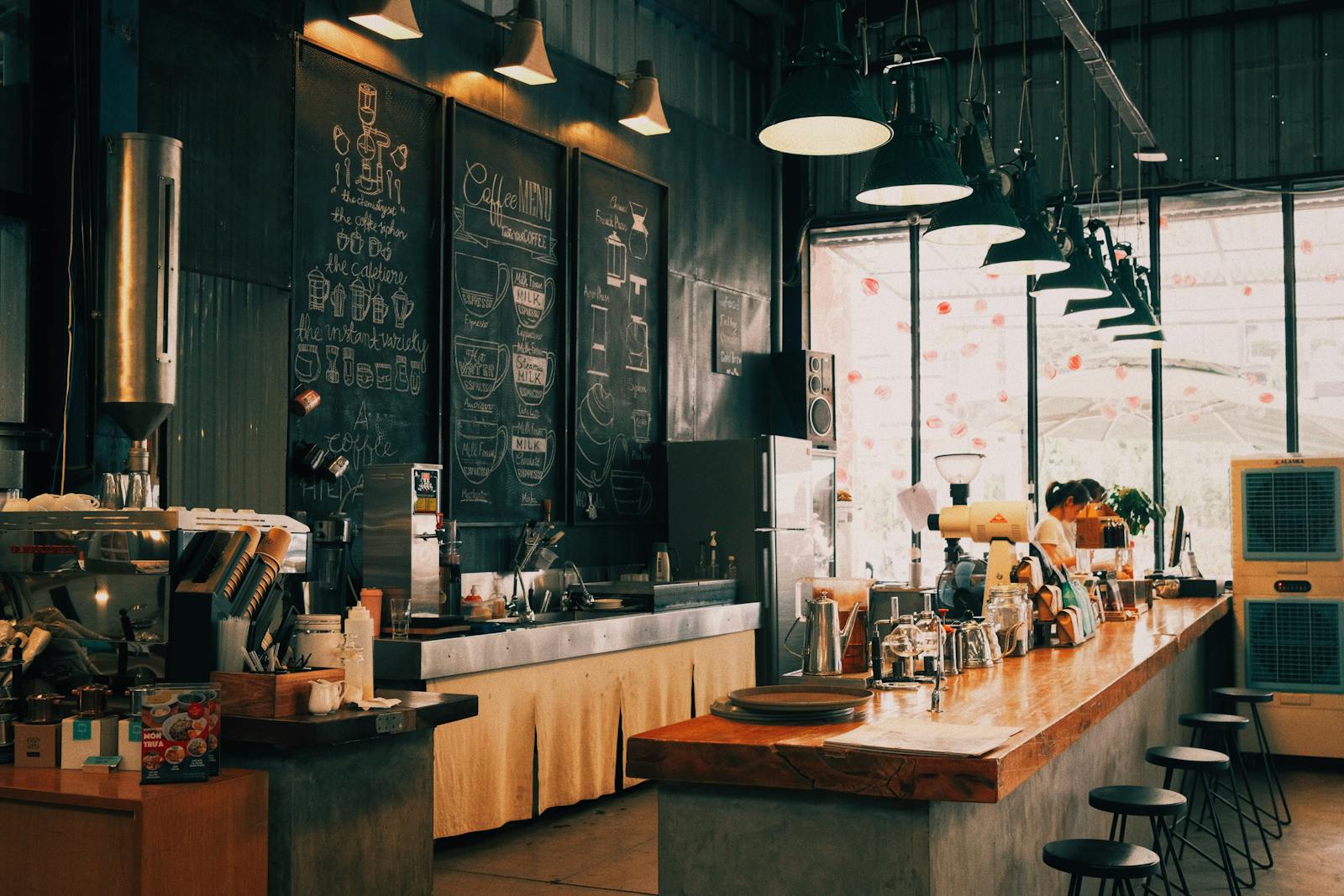
Café advertising is visual. Breakfast, brunch and seasonal coffees are the strongest levers on Instagram. Google Business with current photos, short reels of latte art in the window, local partnerships with bookshops or co-working spaces. Loyalty cards or stamp apps with a modest reward, communicated honestly, go a very long way.
Bar
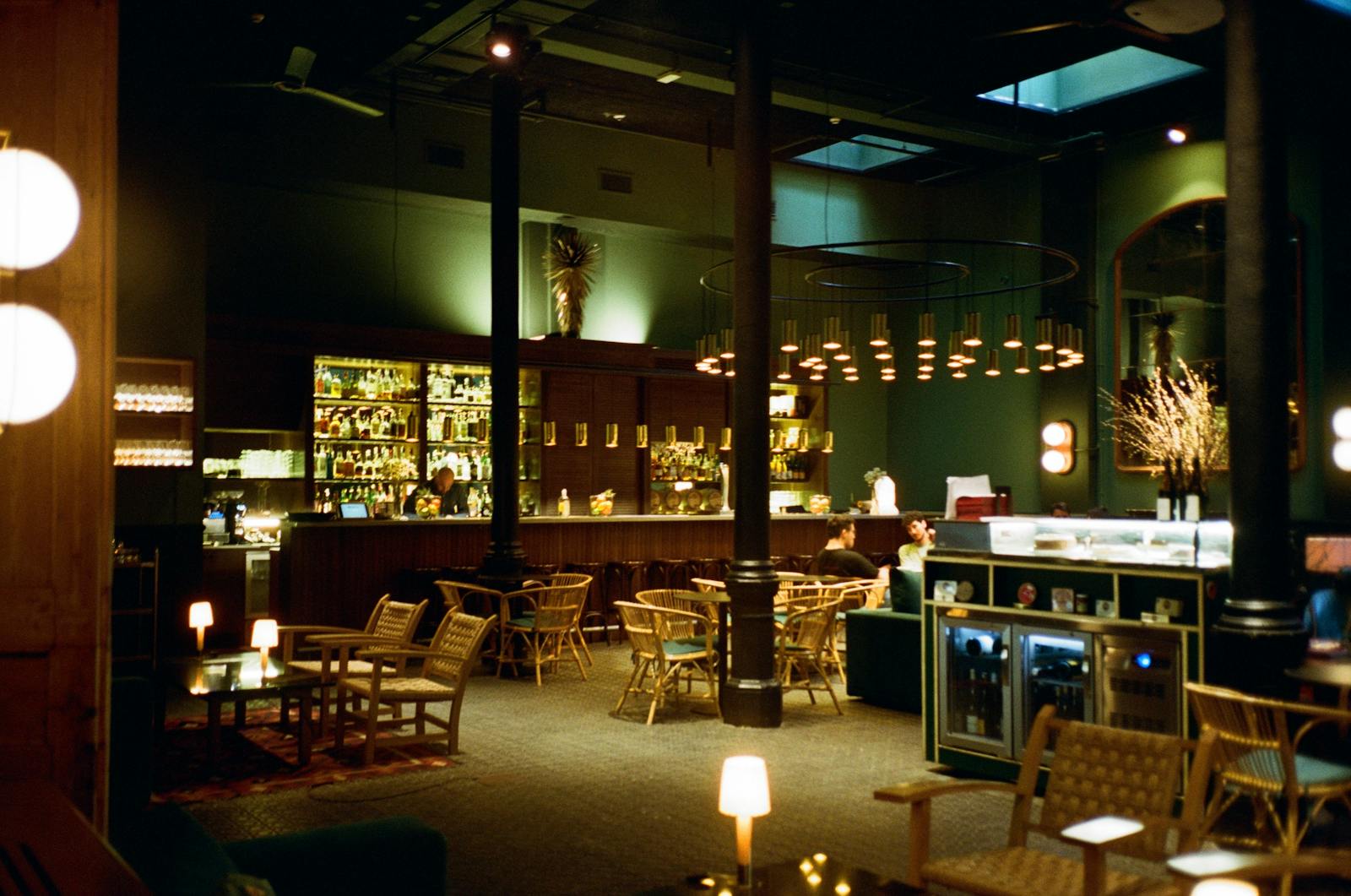
Bar advertising lives on atmosphere and recognition. Reels at golden hour, short cocktail videos, events. Reviews are secondary, but tagging and user-generated content are very strong. A small cocktail list with a handwriting of its own lifts the average spend dramatically. A newsletter monthly, with clear lead time before events.
Tavern
Advertising for a traditional tavern lives on trust and local roots. Lunch service is usually the main earner. Focus on Google Business, regular lunch menu posts and local partnerships with nearby offices, workshops and schools. Regulars carry 70 to 85 per cent of revenue, so retention comes before acquisition.
Pub
Pub advertising follows its own rules. The regulars' table, the atmosphere, personal relationships. Here Facebook still works (yes, really), along with clear event announcements (screenings, quizzes, live music) and consistent posts about special nights. For many pubs Instagram is a sideshow that costs more than it brings, unless the concept is explicitly photogenic. Better to collect good reviews and involve the regulars directly.
4. Common mistakes that burn money
From around a hundred first conversations a year, a short list of what we see again and again.
- Commissioning a new logo for 3,000 to 5,000 euros when no regular ever mentioned the old one as a problem.
- A full website relaunch for 12,000 euros when the only real flaw in the old site was the missing online booking.
- Flyer runs above 5,000 with no clear occasion and no geographic limit. More waste than effect.
- Agencies charging 800 to 1,500 euros a month to post, without on-site material, content any other venue could post.
- Influencers with national reach but no local connection. A small voice from your own city is ten times stronger.
- Ads before good photos. Buying clicks on weak imagery only helps the competition.
If you are planning one of these right now, take a breath and check whether it genuinely reinforces one of the ten levers above. If not, leave it. Your accountant will thank you.
5. Measuring success: three numbers are enough
Advertising without measurement is a matter of feeling, and in hospitality feelings are an expensive consultant. Three numbers are enough at the start to tell a real lever from busywork.
- Bookings or guests per week. Simply write it down, every week, without exception. After three months you see trends that no gut feeling can replace.
- Average spend per guest. Daily revenue divided by guest count. If that figure rises by 1.50 euros, a venue with 200 guests a week gains almost 15,600 euros of extra revenue a year.
- Share of returning guests. You can pull it from the booking system or have experienced floor staff estimate it. A rise from 30 to 40 per cent is worth more than doubling your new customers.
On top of that we track two figures per channel with our clients: Google Business calls and direction requests per month, and Instagram profile visits per week. Nothing more is needed in the first year. Investing in tools before you have three numbers buys you an expensive excuse.
6. Budget: what to plan for each month
Rules of thumb in hospitality sit at 2 to 6 per cent of revenue. The range is wide because new venues have to invest considerably more than established ones. A simplified guide:
- An established venue with a base of regulars (500,000 euros revenue): 600 to 1,000 euros a month is enough once the foundations are in place.
- A growing venue or a new concept (500,000 euros revenue): 1,500 to 2,500 euros a month for the first twelve to eighteen months.
- An opening or reopening: 3,000 to 5,000 euros in the launch month, then stepping back down to a normal level.
If you have less, start with Google Business and one photo session. Those two levers cost under 1,500 euros in the first year and, in our experience, deliver the biggest effect. Everything else builds on them.
7. Frequently asked questions
What share of revenue should a hospitality business put into advertising?
The industry range is 2 to 6 per cent. An established city bakery or small tavern gets by on 1.5 to 2 per cent. A newly opened café or bar needs closer to 4 to 6 per cent in the first year. The order matters more than the amount: Google Business first, then your own photo and video material, then content, then paid reach.
Which advertising works best for a café?
Visual platforms with real photos from the room. Instagram for brunch, breakfast and seasonal coffee, Google Business for visibility in search. Geo-targeted ads only make sense once the photos are already good. Before that, every paid click burns money.
Are flyers still worth it for a pub or tavern?
For clear occasions yes, for day-to-day trade no. An opening, a reopening, a new location, a changed menu, one unmistakable promotion. In every other case a tightly geo-targeted Meta ad (radius under two kilometres) replaces the flyer with less waste and better measurement.
When is a hospitality marketing agency worth it?
When you do not have three hours a week for content and upkeep, or when you want a step change you cannot manage alone. One thing matters: content should be produced on site, with your team. Agencies that ask questions in the first call instead of selling packages immediately are usually the better ones.
Do influencer partnerships make sense in hospitality?
Only with locally rooted voices. Reach from another city does nothing for a single venue. A small local blogger with 3,000 real followers in your city beats a foodie star with 80,000 followers across the country.
What works better: Google ads or Instagram?
For hospitality, usually Google Business plus organic Instagram. Paid Google ads pay off for booking-driven venues (restaurants, event spaces). Paid Instagram ads pay off once the imagery is right and there is a clear offer behind it (brunch, themed evening, promotion).